
English| USD
Suggested for you
More currencies
Choose a language
Phuket's western and southern coasts hold dozens of public beaches where snorkelers enter directly from shore, no boat required. Water clarity, reef proximity, and seasonal currents determine which stretches reward a morning swim and which stay turbid through the dry season.
Quick answer
Snorkeling Phuket beaches delivers the clearest visibility between 08:00 and 11:00, when tides are stable and sediment settles overnight. Public beaches remain free to access year-round, though reef health and water clarity shift with monsoon patterns from May through October. Kata Noi, Freedom Beach, and the northern tip of Ao Sane offer the most reliable shore-entry coral formations within swimming distance.
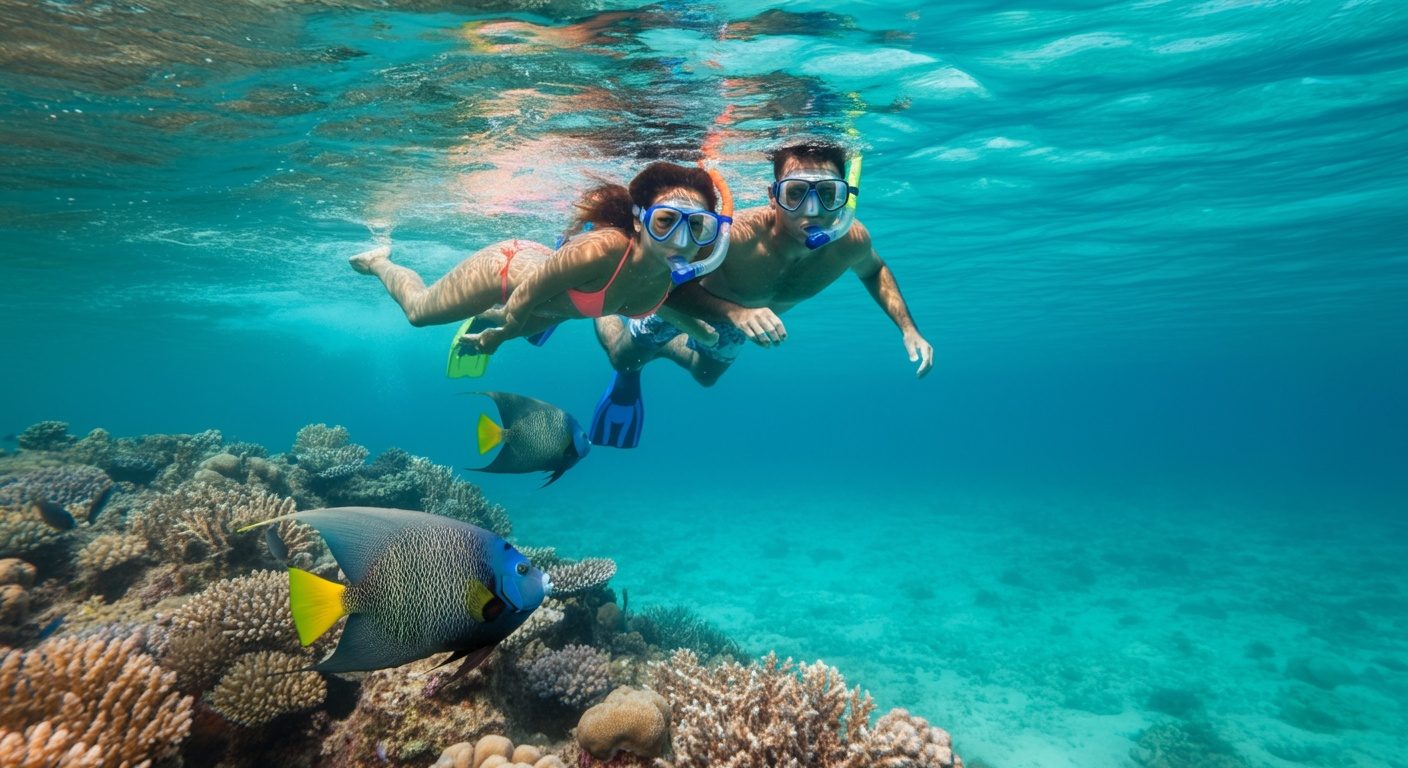
Phuket's limestone headlands create sheltered bays where coral colonies thrive in water shallow enough to reach without a boat. The Andaman Sea's two-season rhythm governs every snorkel session: November through April brings calm southwest-facing water and visibility that stretches fifteen meters on windless mornings, while the May-to-October monsoon stirs sediment and reduces clarity to arm's length at many exposed beaches. Snorkeling Phuket beaches means understanding that not all shoreline is equal. The island's twenty-kilometer western coast faces open ocean, where swells and undertow make reef access difficult outside the dry season. The southeastern pocket beaches—Ao Sane, Nui Beach, Yanui—sit in the lee of Promthep Cape and hold clearer water longer into the monsoon transition. Freedom Beach, accessible only by longtail boat or a steep forest trail, remains Phuket's most protected snorkel zone, its granite boulders forming a natural breakwater that keeps visibility stable even when neighboring bays cloud over. Coral formations here are shallow-water ecosystems, most productive in the top three meters where sunlight penetrates. Arrival timing dictates what you see: early morning brings glassine conditions before tour boats stir the bottom and before afternoon heat drives swimmers into the shallows. Seasonal plankton blooms between March and May can reduce visibility but draw manta rays and whale sharks to offshore sites, a trade-off snorkelers accept when pelagic species move inshore. Kata Noi's southern rocks host clownfish colonies and blue-spotted stingrays; the boulders off Laem Singh hold longnose butterflyfish and occasional hawksbill turtles cruising the thermocline. Gear remains simple—mask, snorkel, fins—and rental kiosks operate at every developed beach for 150-200 baht per set. Reef-safe sunscreen is not yet mandated but increasingly requested by dive shops conscious of coral bleaching. The Similans and Phi Phi draw the boat crowds; Phuket's shore-entry sites reward those who arrive early, read the tide chart, and accept that the Andaman's moods shift faster than any forecast predicts.
“Early morning brings glassine conditions before tour boats stir the bottom and before afternoon heat drives swimmers into the shallows.”
The optimal window for snorkeling in Phuket is during the dry season from November to April, specifically focusing on the arrival window of 08:00–11:00. Arriving during these morning hours ensures the highest water clarity and avoids the peak heat and congestion of the afternoon.
Dry, 26°C to 32°C
Calm seas provide the clearest visibility for underwater viewing.
Monsoon, 24°C to 30°C
Increased rainfall and stronger currents can reduce water transparency.
—
This period offers the best water clarity and lower crowds before the afternoon heat.
Verdict: The best time for snorkeling is between November and April, with arrivals consistently scheduled between 08:00–11:00 for optimal visibility.
Access to public beaches in Phuket is free of charge. Costs associated with snorkeling typically arise from optional equipment rentals or guided boat services rather than entry fees.
Verdict: A typical visitor pays 0 THB for beach access, though individual budgets vary based on equipment rental or private boat excursion choices.
Phuket public beaches remain accessible around the clock for visitors. Please note that safe snorkeling is strictly limited to daylight hours.
Phuket beaches are located along the island's western and southern coastlines. Access is most efficiently managed via private vehicle or hired transport due to the distance between popular snorkeling spots.
Rental vehicle via Route 402/4233
Private hire to beach access point
Local bus from Phuket Town to coastal areas
Local transport to specific beach zones
Motorbike rental provides the most flexibility for accessing varied coastal points, though parking can be limited near popular snorkeling beaches.
Most snorkeling incidents stem from ignoring safety flags, damaging marine life, and underestimating tropical sun. Recognize these patterns before you enter the water.
Ignoring red flag warnings and swimming during rough conditions
Red flags signal dangerous currents and waves. Check the beach flag status every morning and cancel plans if red flags are raised—no snorkeling site is worth the risk.
Touching or standing on coral reefs for photos
Coral is a living organism that dies from human contact and takes decades to regrow. Maintain neutral buoyancy, keep fins up, and observe from at least one meter away.
Snorkeling during midday without sun protection
The equatorial sun between 11:00–15:00 causes severe burns on your back and legs within 20 minutes. Apply reef-safe SPF 50+ before entering, wear a rash guard, and plan water time for early morning instead.
Venturing too far from shore without a float
Currents around Phuket beaches can push snorkelers offshore quickly, especially at Kata Noi and Freedom Beach. Use a brightly colored float buoy attached to your waist so boats can see you and you have something to rest on.
Failing to rinse and dry gear after saltwater use
Saltwater corrodes mask seals and snorkel valves, causing leaks on your next outing. Rinse all equipment with fresh water immediately after each session and dry completely before packing.
Proper preparation ensures safe, comfortable snorkeling across Phuket's beaches.
Everything you need to know about snorkeling phuket beaches
Public access to these areas is free, meaning there is an entrance fee of 0 THB. You do not need to pay to enjoy the sand or the shallow coral reefs accessible directly from the shore.
The best arrival window is 08:00–11:00 to ensure you experience the best water clarity. This timing also helps you avoid peak afternoon heat and larger crowds at popular snorkeling phuket beaches.
Many shallow areas are calm and ideal for families, though parental supervision is required at all times. Always check current weather conditions and tide reports before entering the water with children to ensure a safe marine experience.
Most visitors bring a mask, snorkel, and fins to enjoy the underwater landscape properly. While some local shops offer rentals, bringing your own equipment ensures a comfortable fit for your day of aquatic discovery.
Lifeguard presence varies significantly across the island, so always observe warning flags and local signage. Never swim alone or venture too far from the marked swim zones while enjoying the ocean environment.
Visitors typically use taxis, rented scooters, or private transfers to reach popular coastal entry points. Plan your transit in advance, as public transport options to remote coves can be limited.
A common oversight is waiting until the afternoon to visit, which results in poorer visibility and intense heat. Arriving early during the best arrival window significantly improves your underwater visibility and overall comfort.
Best Phuket Snorkeling Tours
Read more GuidePhuket Snorkeling Price Guide
Read more Tickets & toursPhuket Snorkeling Day Trips
Read more Tickets & toursPhuket Snorkeling Vacation Packages
Read more Tickets & toursPrivate Snorkeling Tours in Phuket
Read more Tickets & toursPhi Phi Island Snorkeling Trips
Read more